Silk all year round
A silk farm that runs all year, built around an artificial diet. What we want to do, what it costs and in what order: it's all on this page.
Freeing silk farming from the seasons
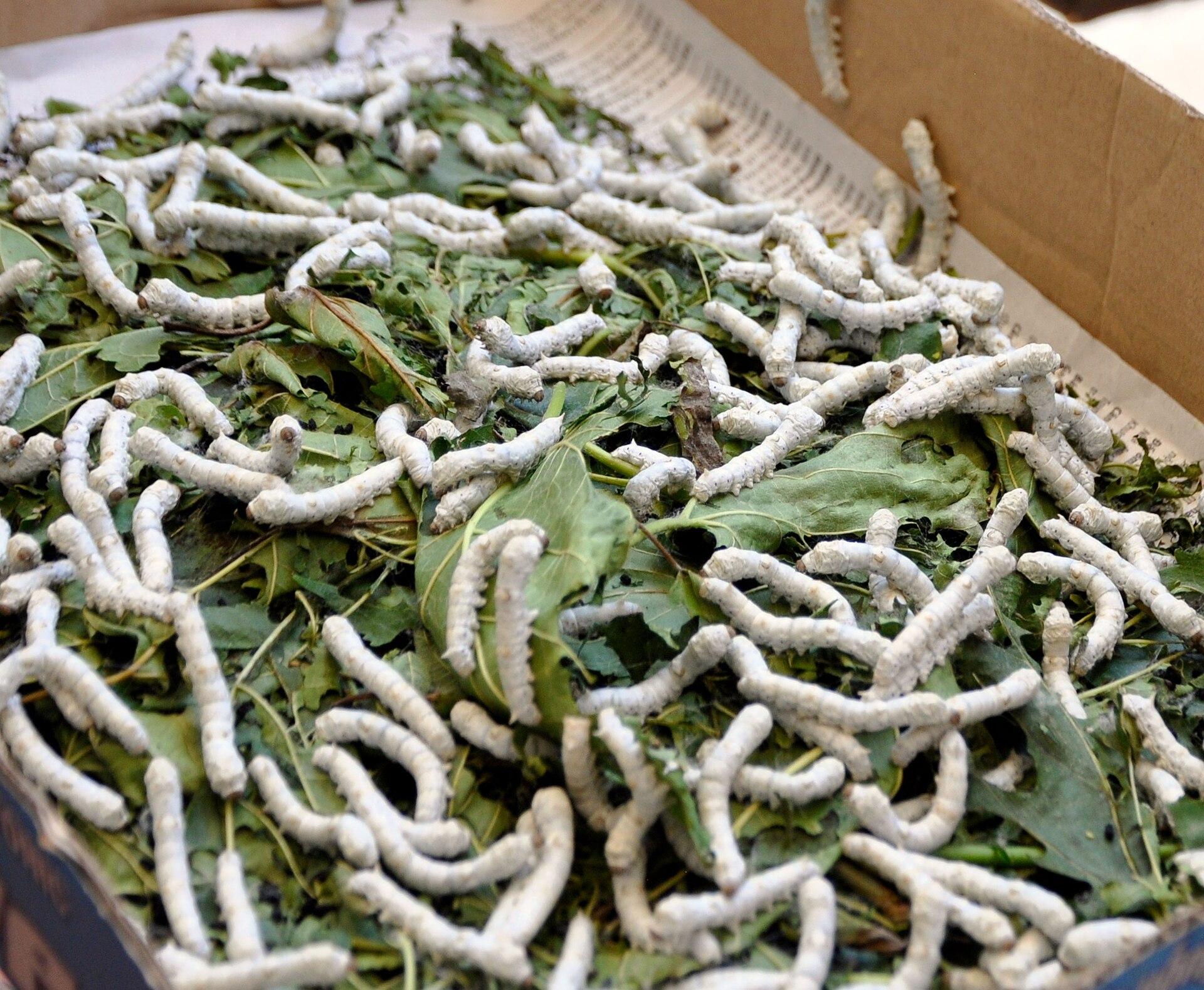
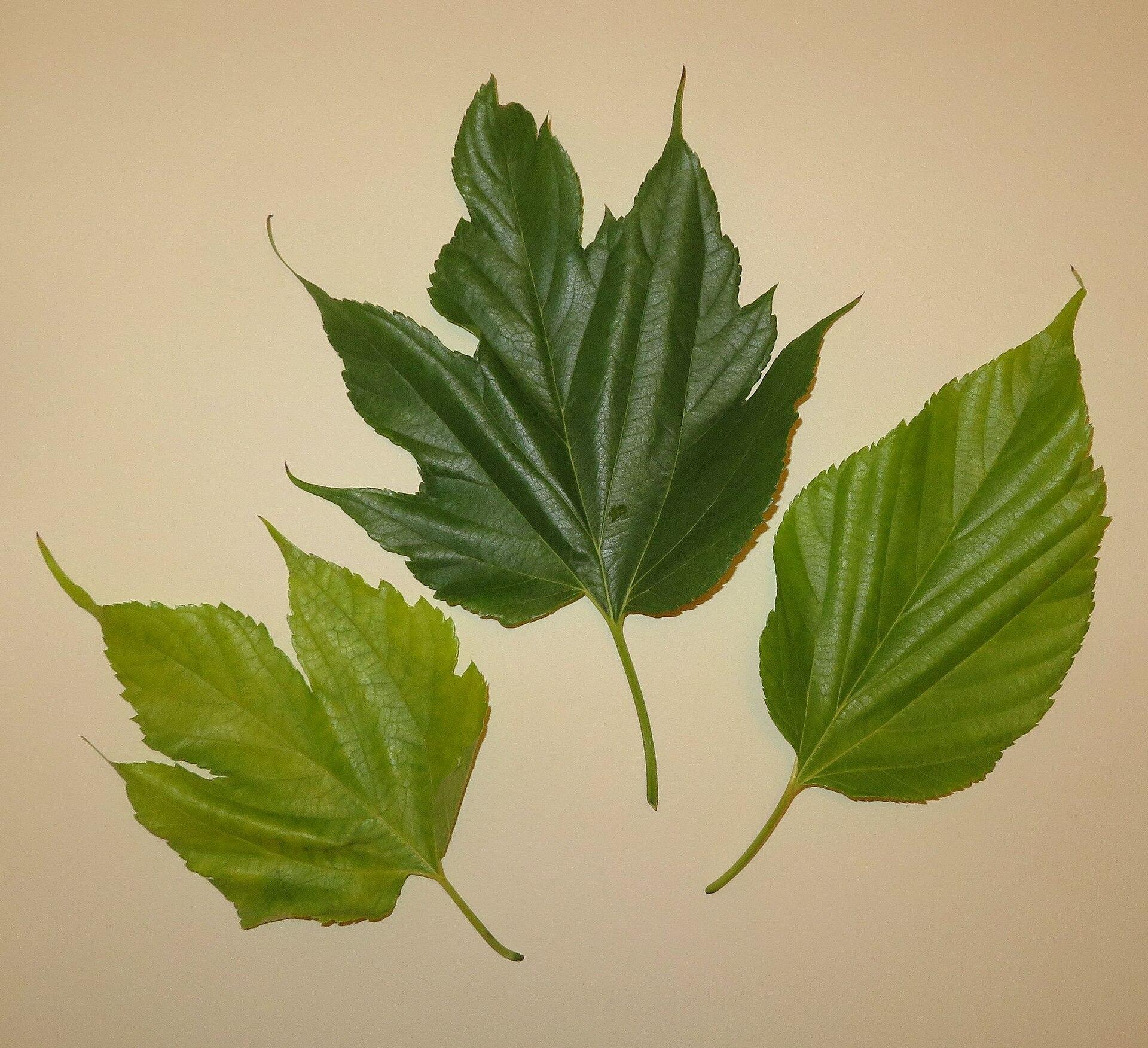
Traditional sericulture depends on mulberry leaves. The leaves come out in spring, so that's the only time silkworms get raised. If the weather turns or the trees don't leaf well, a whole year's work is at risk.
We want to raise silkworms indoors on an artificial diet. Temperature and humidity stay under control and the feed is always ready. That turns cocoon growing from a one-season job into continuous production.
300–500m²
of production space
4–6cycles
production cycles a year
163–333k USD
starting investment
 Mulberry leaves
Food made for silkworms
An artificial diet is a prepared mix that contains everything a silkworm needs to grow and develop. Its job is simple: feed the silkworms without relying entirely on fresh mulberry leaves.
What it can contain
- Proteins
- Carbohydrates
- Vitamins
- Minerals
- Plant-based nutrients
- Natural mulberry leaf powder
- Ingredients that keep it moist
We'll work out the exact recipe through lab trials. That's what the first stage of the project is for.
The weather stays outside
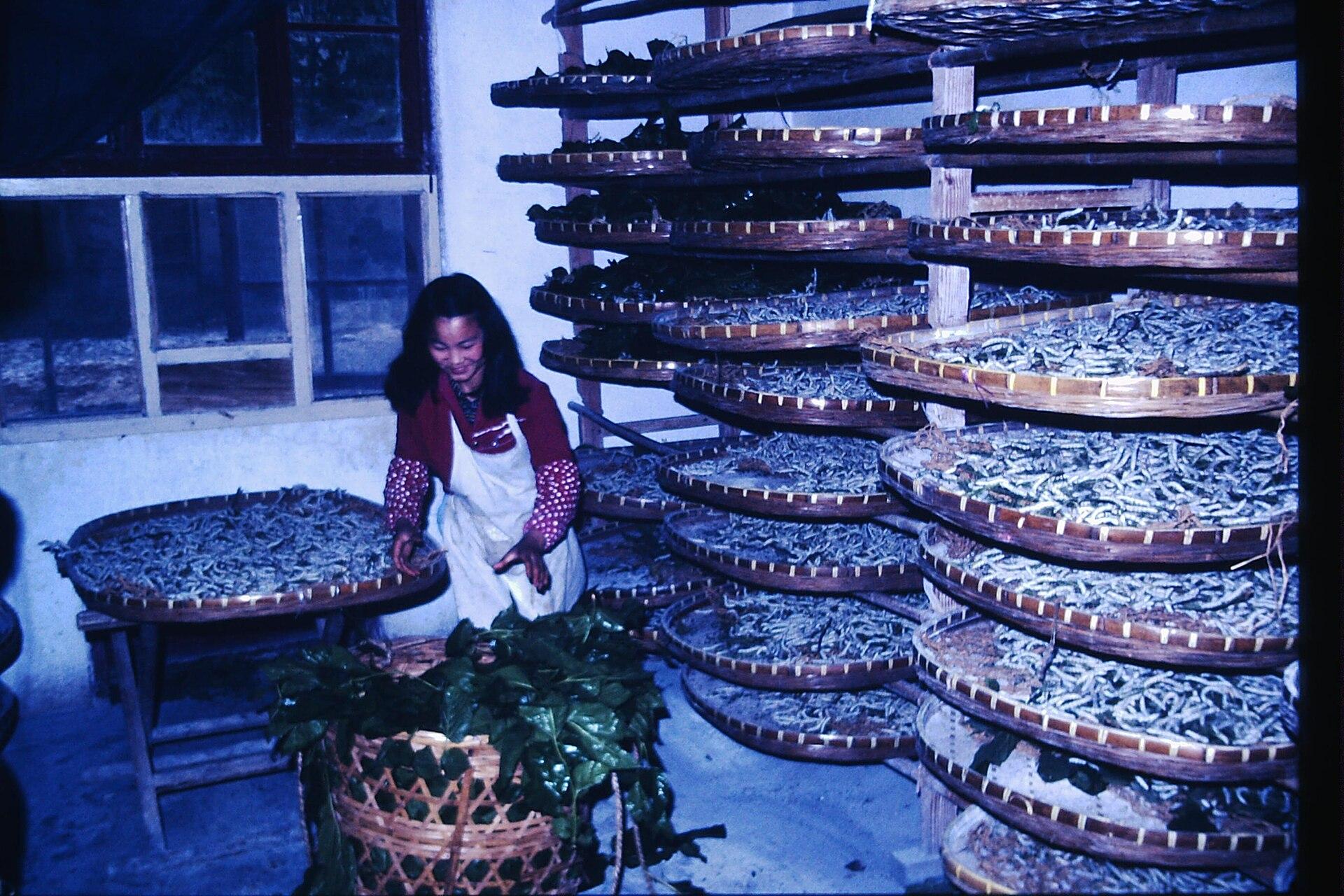
Rearing all year needs a purpose-built indoor space where everything the silkworms need is under control.
Temperature
Each stage gets the temperature it needs, held steady day and night.
Humidity
Kept in the right range: neither dry nor damp.
Ventilation
Fresh air keeps circulating, so the room never gets stuffy.
Feed kitchen
The artificial diet is prepared and stored on site.
Rearing racks
Multi-level racks and trays built for silkworms.
Hygiene
Regular cleaning and disinfection, and always after every cycle.
From egg to finished product
We split the process into eight stages. Each one is checked on its own, because a mistake at any link affects the whole cycle.
- 01
Preparing the silkworm eggs
- 02
Hatching the larvae
- 03
Feeding them the artificial diet
- 04
Monitoring their growth
- 05
Setting them up to spin
- 06
Harvesting the cocoons
- 07
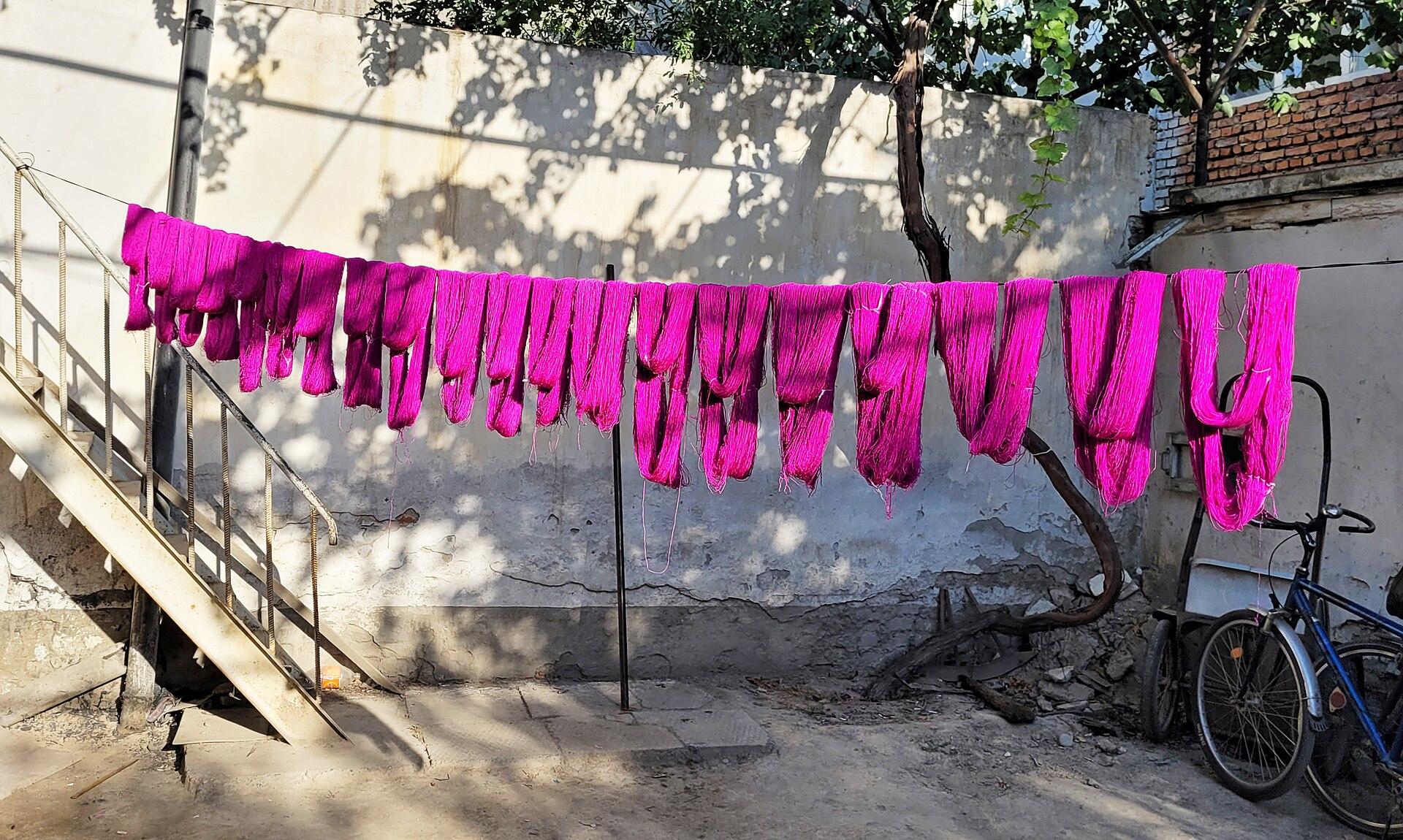
Reeling the silk
- 08
Storing and selling the product
If the project works
Less dependence on the season
Cocoons are grown several times a year instead of once.
Less need for fresh leaves
The diet still contains mulberry leaf powder, but no one has to wait for new leaves.
Steady supply
Silk reaches local and export markets all year, without gaps.
More output
The same space produces several times more cocoons per year.
New jobs
Permanent rather than seasonal work in the rearing house and the feed kitchen.
A new industry
Making artificial diet could grow into an industry of its own.
What it takes to get started
A first estimate for a small industrial facility with 300–500 m² of space. Each line shows two figures: the lower one with simpler equipment, the higher one fully equipped.
- 01Preparing the building and rooms$30,000 – $60,000
- 02Temperature and humidity control$19,000 – $38,000
- 03Artificial diet equipment$19,000 – $45,000
- 04Rearing racks and trays$11,000 – $23,000
- 05Lab equipment$8,000 – $15,000
- 06Cocoon harvesting and reeling equipment$23,000 – $53,000
- 07Power, water and ventilation$11,000 – $23,000
- 08First raw materials and working capital$23,000 – $38,000
- 09Design and contingency$19,000 – $38,000
Yearly costs
Once the facility is running, it needs money every year for:
- Raw materials for the diet
- Staff wages
- Electricity and water
- Disinfection and hygiene supplies
- Silkworm eggs
- Equipment repairs
- Cocoon processing and transport
Roughly per year
$53,000 – $114,000
This is a preliminary estimate. The figures will be recalculated once we have actual equipment prices, a confirmed production capacity and results from the lab trials.
We spend in stages, not all at once
We only move on once the previous stage has delivered. That keeps the risk small and makes sure every dollar goes into work that's already proven.
- Stage 1
$11,000 – $23,000
Lab and research
We choose the diet recipe and study how it affects silkworm growth and cocoon quality.
- Stage 2
$38,000 – $76,000
Small pilot production
We rear silkworms on the diet at small scale and compare the results with mulberry-fed ones.
- Stage 3
$114,000 – $227,000
Scaling up
If the results are good, we build the rearing house, equipment and feed kitchen, then move to continuous year-round production.
What we still have to prove
We'll be upfront about it: only trials can answer the questions below. That's what the first stage is for.
- 01The exact diet recipe
- 02How well silkworms survive on it
- 03How much feed one silkworm needs
- 04How many cocoons one cycle yields
- 05The quality of the silk fibre
- 06The cost of producing one kilogram of cocoons
- 07How many cycles fit into one year
The hard parts, and how we'll handle them
Challenge
Artificial diet is expensive
Our answer
We track the cost every cycle and keep working the recipe down.
Challenge
Getting the recipe right is hard
Our answer
Science-based recipes and trials in the lab.
Challenge
Disease can spread
Our answer
A prevention routine with regular disinfection and strict hygiene.
Challenge
Temperature and humidity need constant control
Our answer
A climate control system, budgeted as its own line item.
Challenge
The silk has to match mulberry-fed quality
Our answer
On the pilot line we compare every result with mulberry-fed silkworms.
To build a modern silk producer in Uzbekistan that runs all year on artificial diet technology and pays its own way.
Want to be part of this?
Donation, partnership or investment. Whichever it is, we're happy to send you the detailed numbers.
Write to us