Raising silkworms, step by step
Sericulture is patient work. Here's what happens between planting a tree and handing over a bag of cocoons.
Five stages, one season
 Mulberry leaves01
Planting mulberry
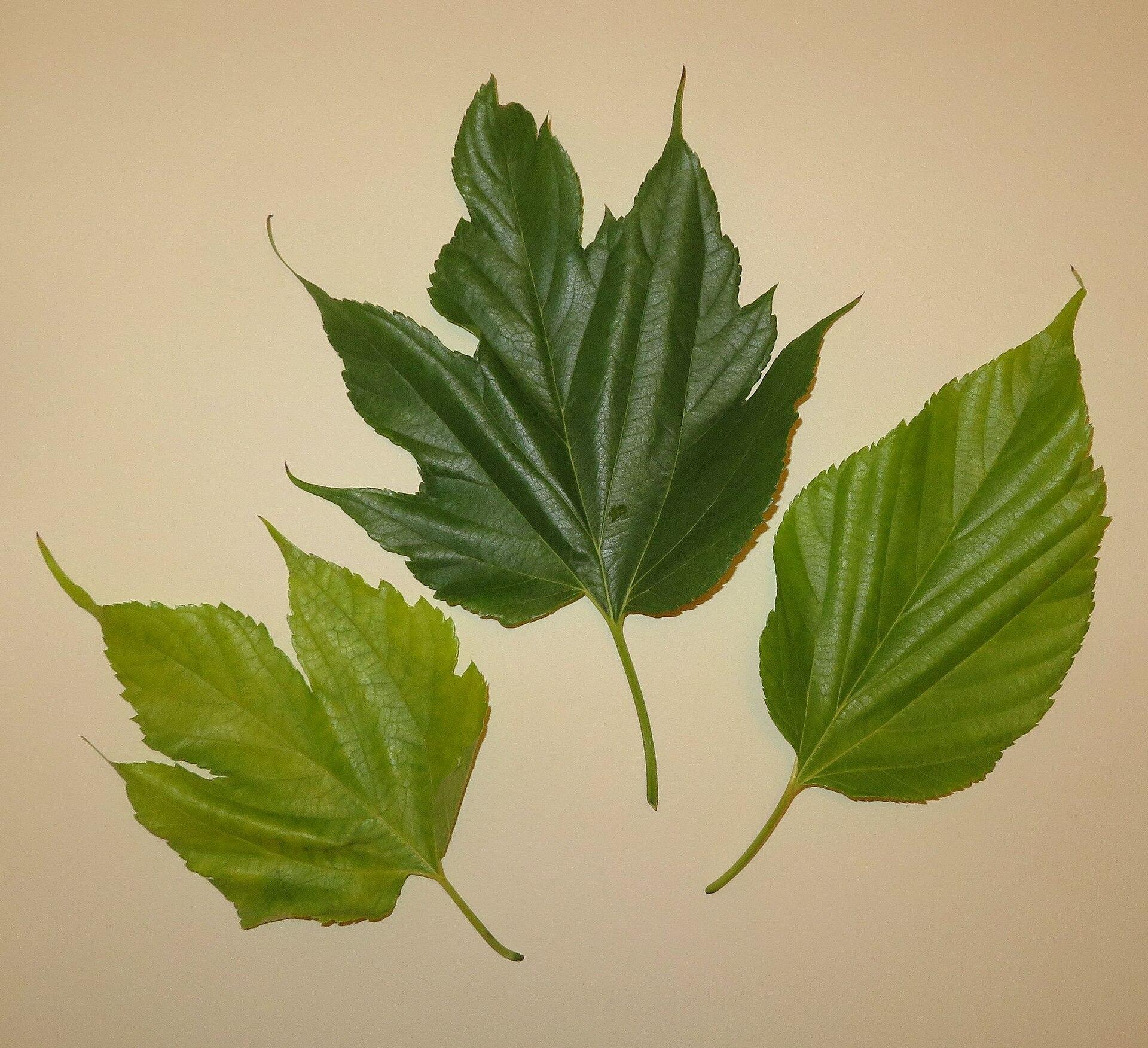
Everything depends on the leaves. We plant young mulberry trees, prune them low so the leaves are easy to pick, and keep the orchard free of chemicals. A tree takes a couple of years before it can feed silkworms properly.
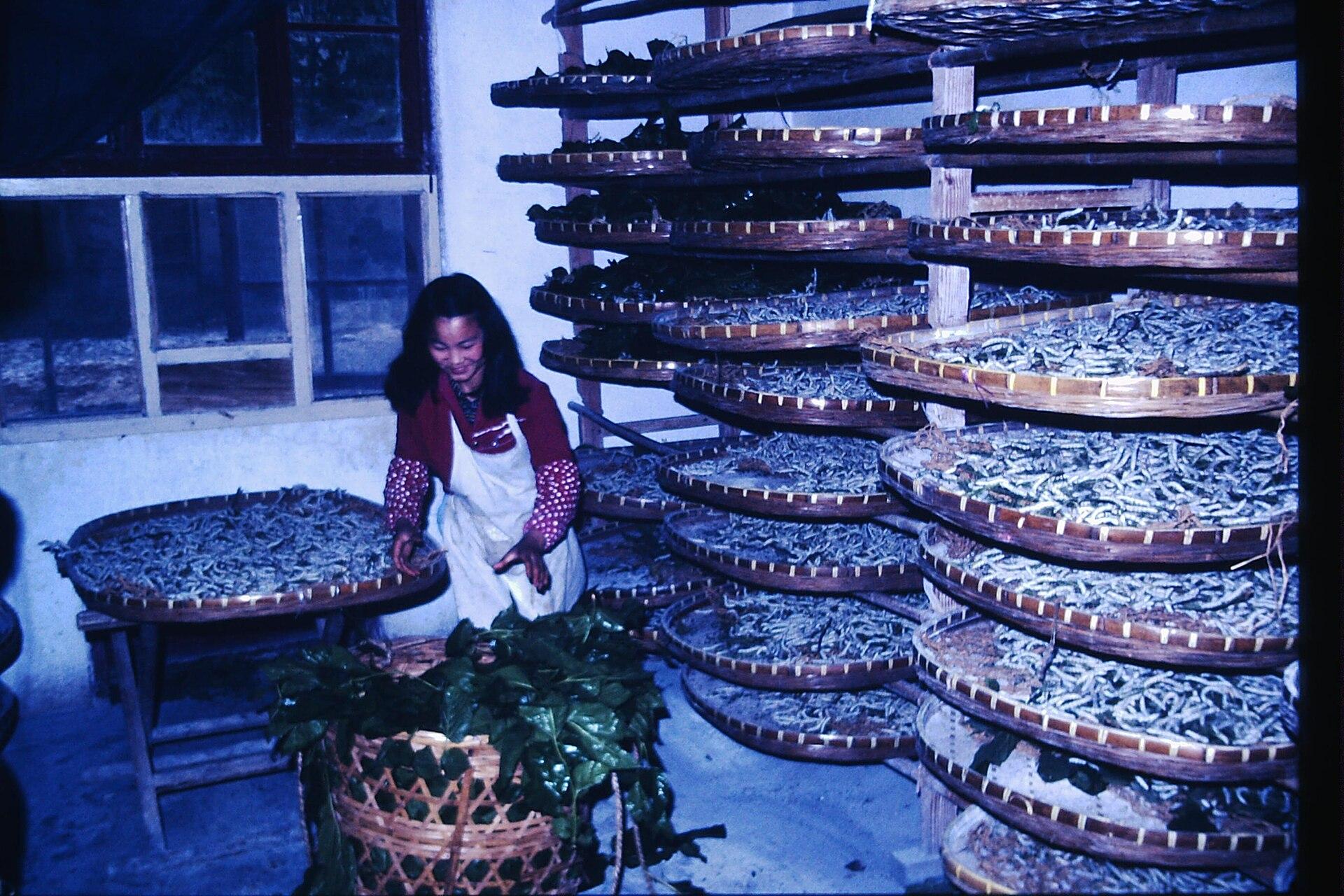
- Rearing trays02
Hatching the eggs
In spring, when the first leaves open, the eggs go into a warm room. Temperature and humidity are kept steady. After about ten days, tiny dark larvae appear, smaller than an eyelash.
 Silkworms on mulberry leaves03
Four weeks of feeding
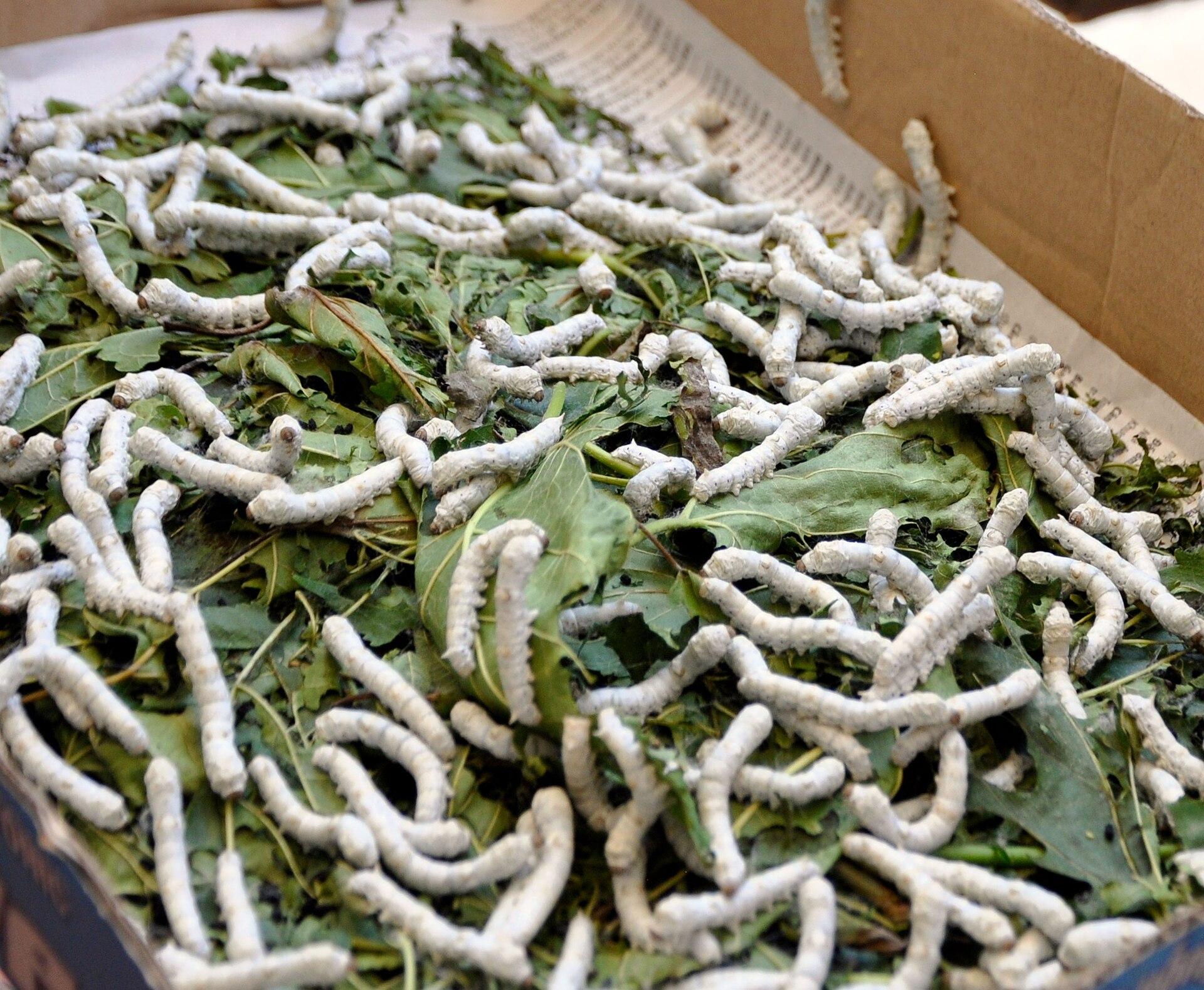
The larvae eat chopped mulberry leaves day and night and grow several thousand times heavier. Trays need cleaning, leaves need to be fresh, and the room has to stay calm. Most of the work happens in these weeks.
 Yodgorlik silk workshop, Margilan04
Spinning the cocoon
When they're ready, the silkworms stop eating and look for a corner. We give them frames to climb into. Over two or three days each one wraps itself in a single, unbroken thread.
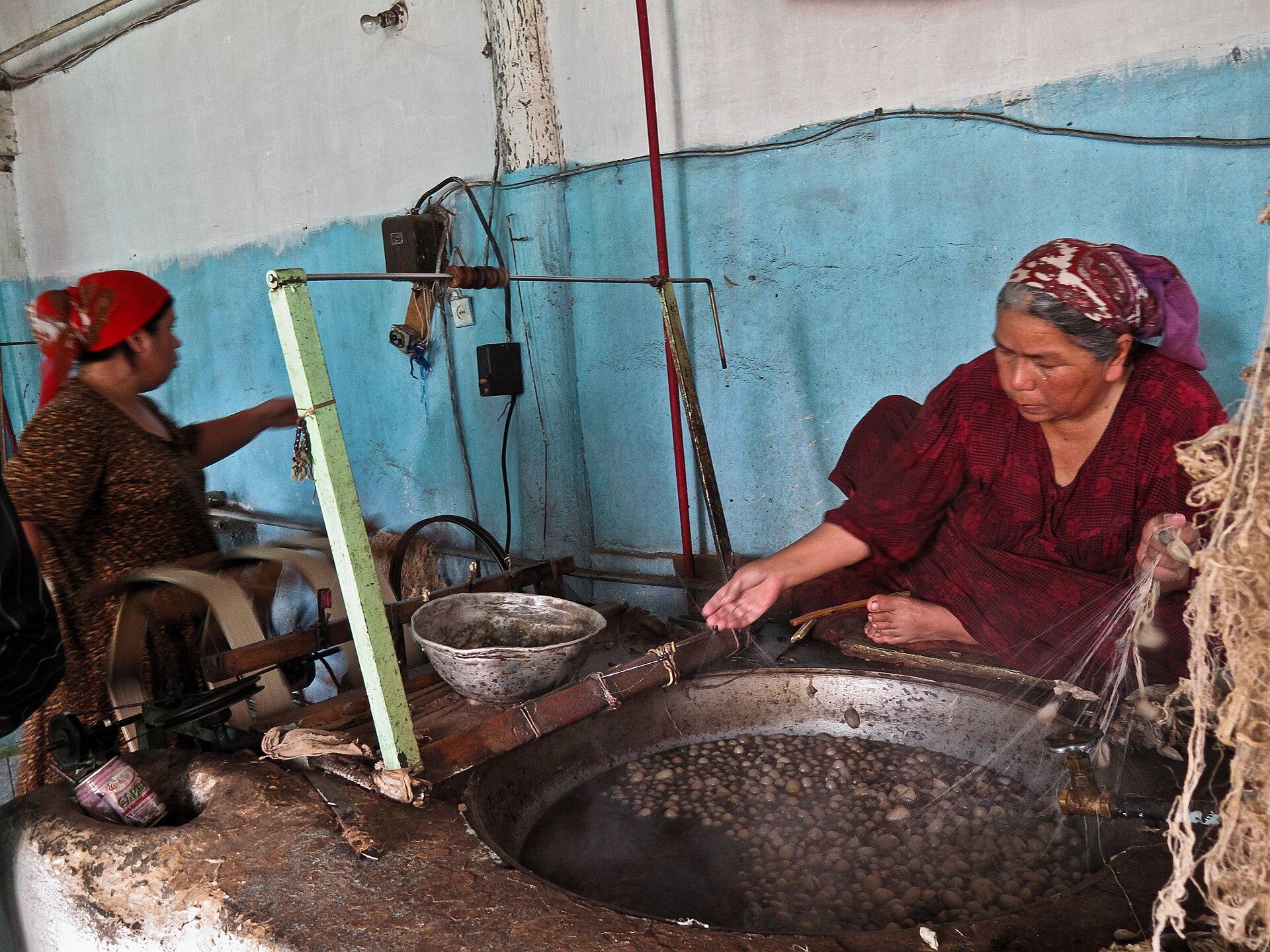 Yodgorlik silk workshop, Margilan05
Sorting the harvest
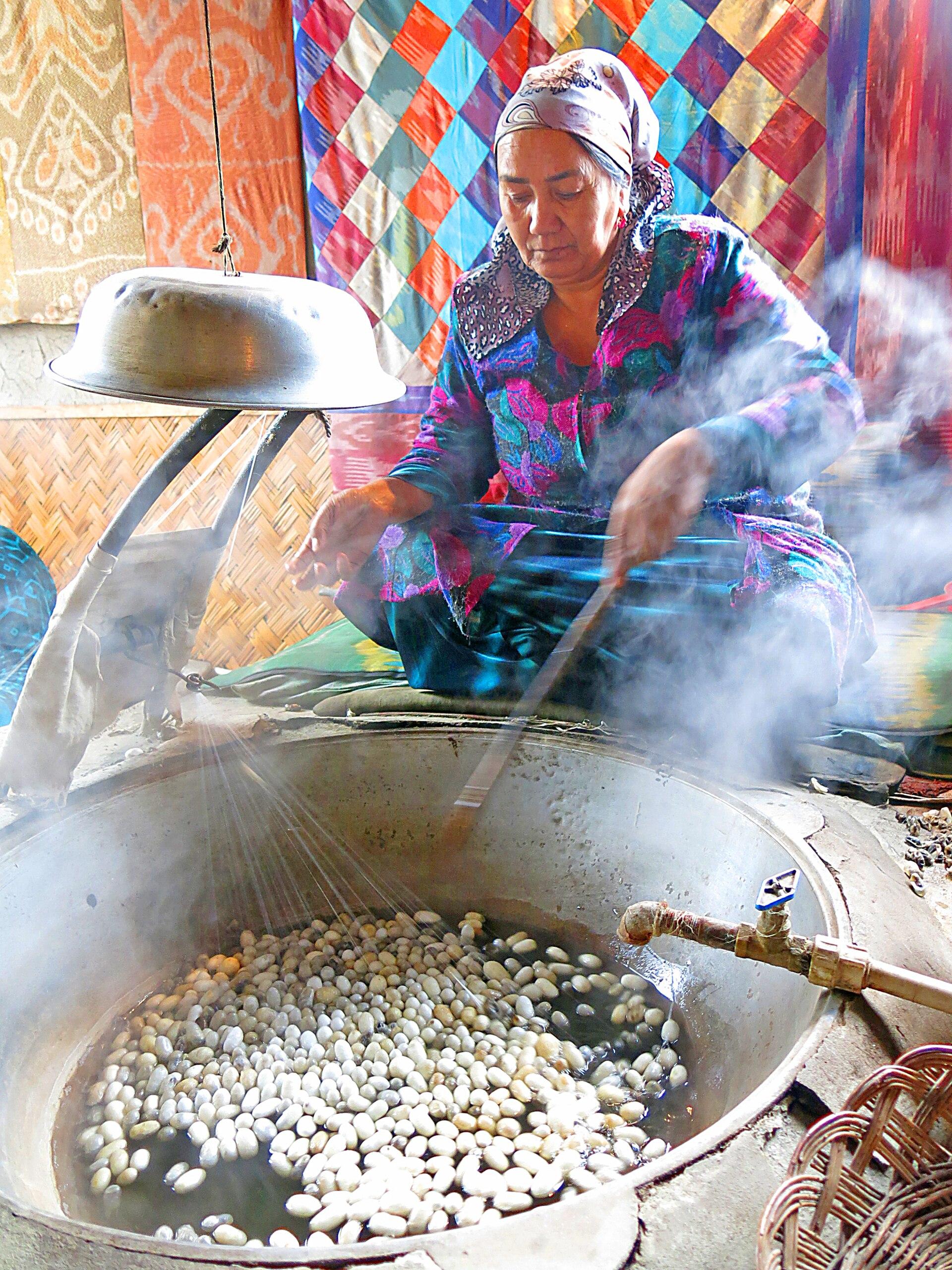
The cocoons are picked by hand, cleaned and sorted by size, colour and firmness. Good sorting means a better price, so we take our time with it.
Things that surprise most people
Only mulberry
Domestic silkworms (Bombyx mori) eat almost nothing else.
One thread
Each cocoon is made of a single continuous filament, often close to a kilometre long.
Spring season
In Uzbekistan the main rearing season falls in spring, when mulberry leaves are young and soft.
Zero waste
Leaves, berries and even the wood of the mulberry tree all get used.
The valley already knows how
Uzbekistan is one of the world's biggest producers of silk cocoons, and the Fergana Valley is its heart. Margilan's workshops still dye and weave silk by hand. What's missing on many small farms is investment, good equipment and a fair deal for the people doing the rearing.
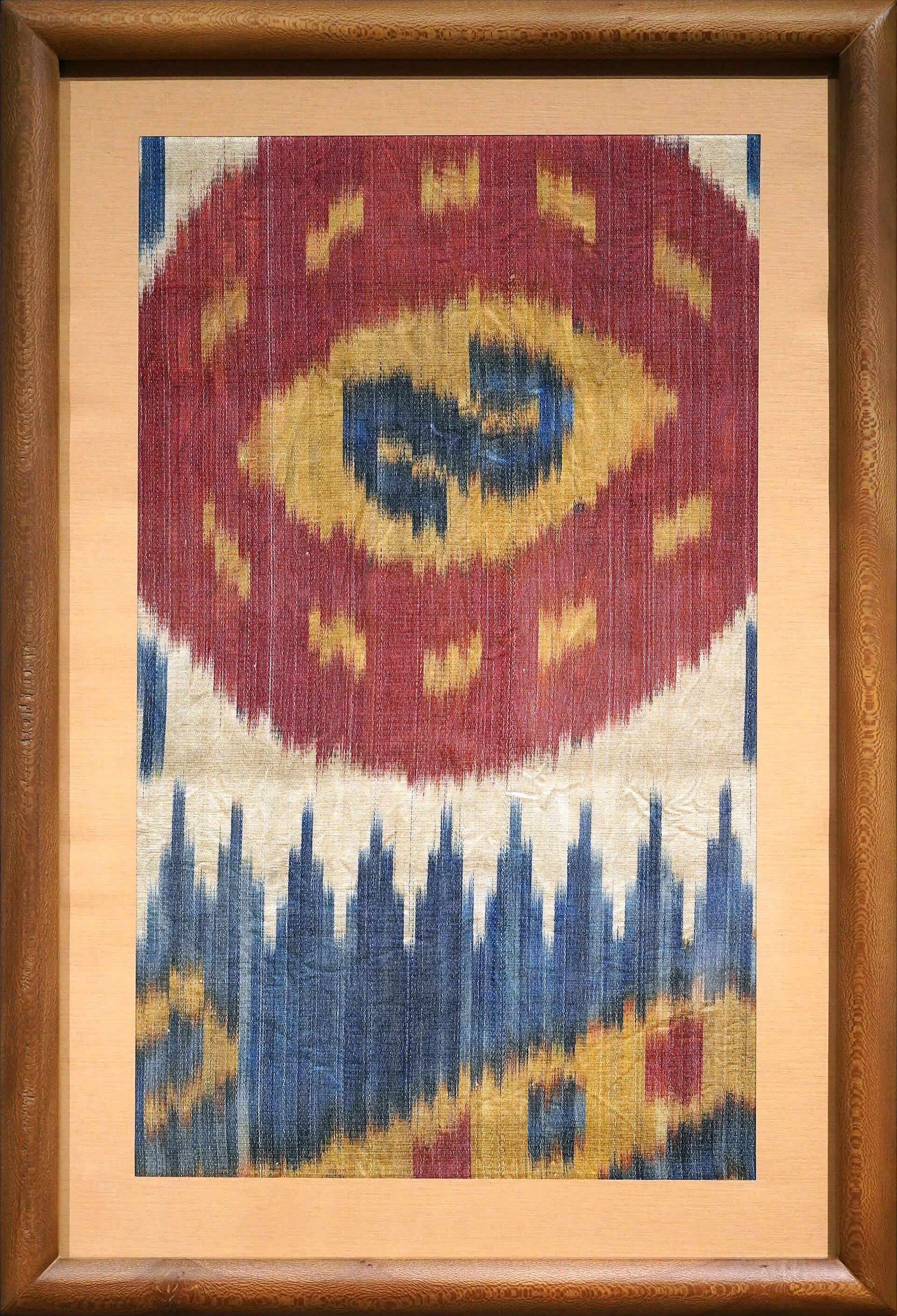 Adras, hand-woven in the Fergana Valley
Village income
Spring rearing can be done at home and fits around other farm work.
Low footprint
Silk is natural and biodegradable, and mulberry needs little water once established.
Knowledge that stays
We'll run training sessions so neighbours can rear silkworms on their own.
Help us plant the first rows
Every contribution goes into trees, equipment and the rearing house.
How to support