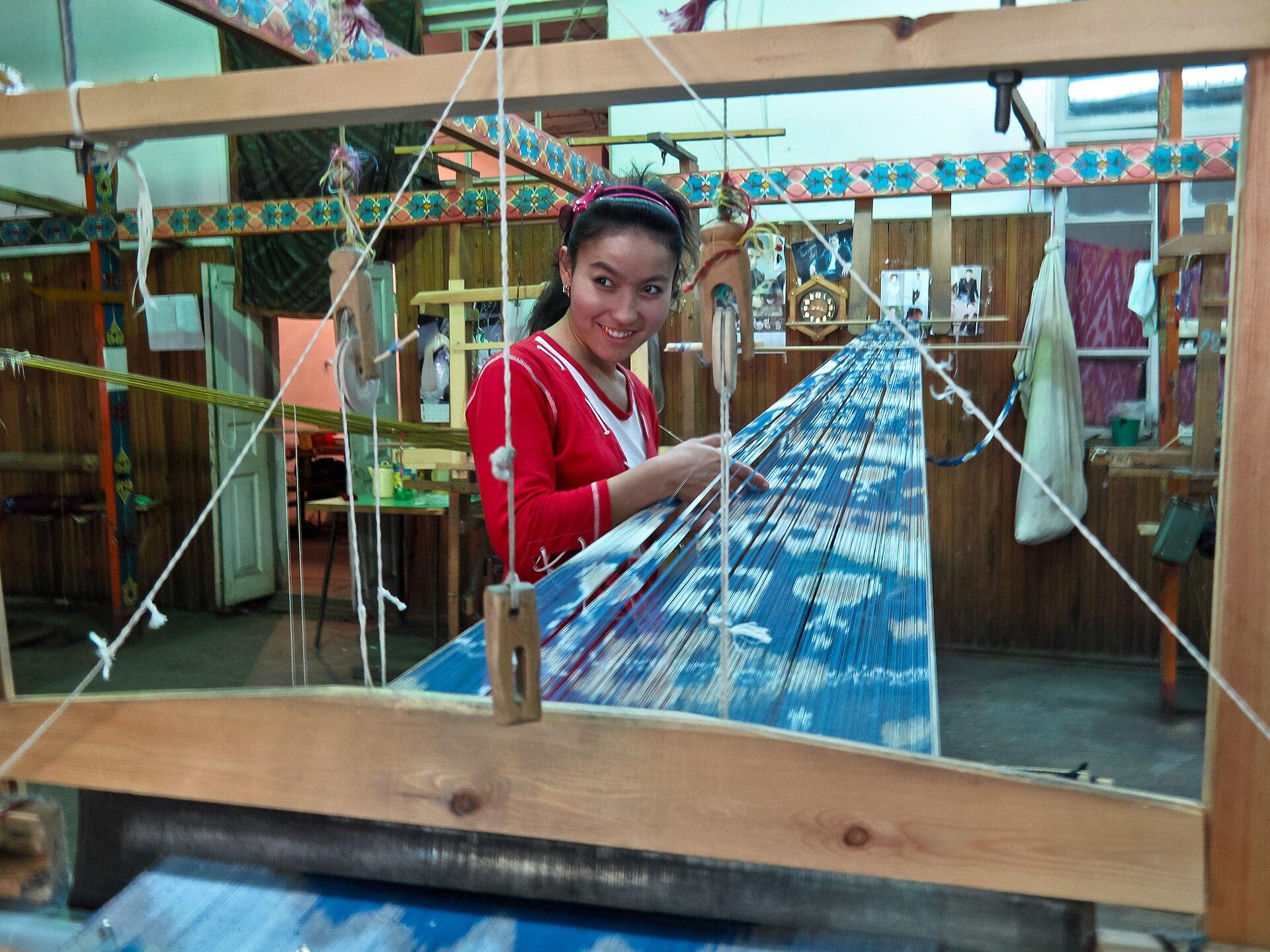
A small team with a long view
Silk365 started with a simple question: why are fewer families raising silkworms when the demand for good silk hasn't gone anywhere?
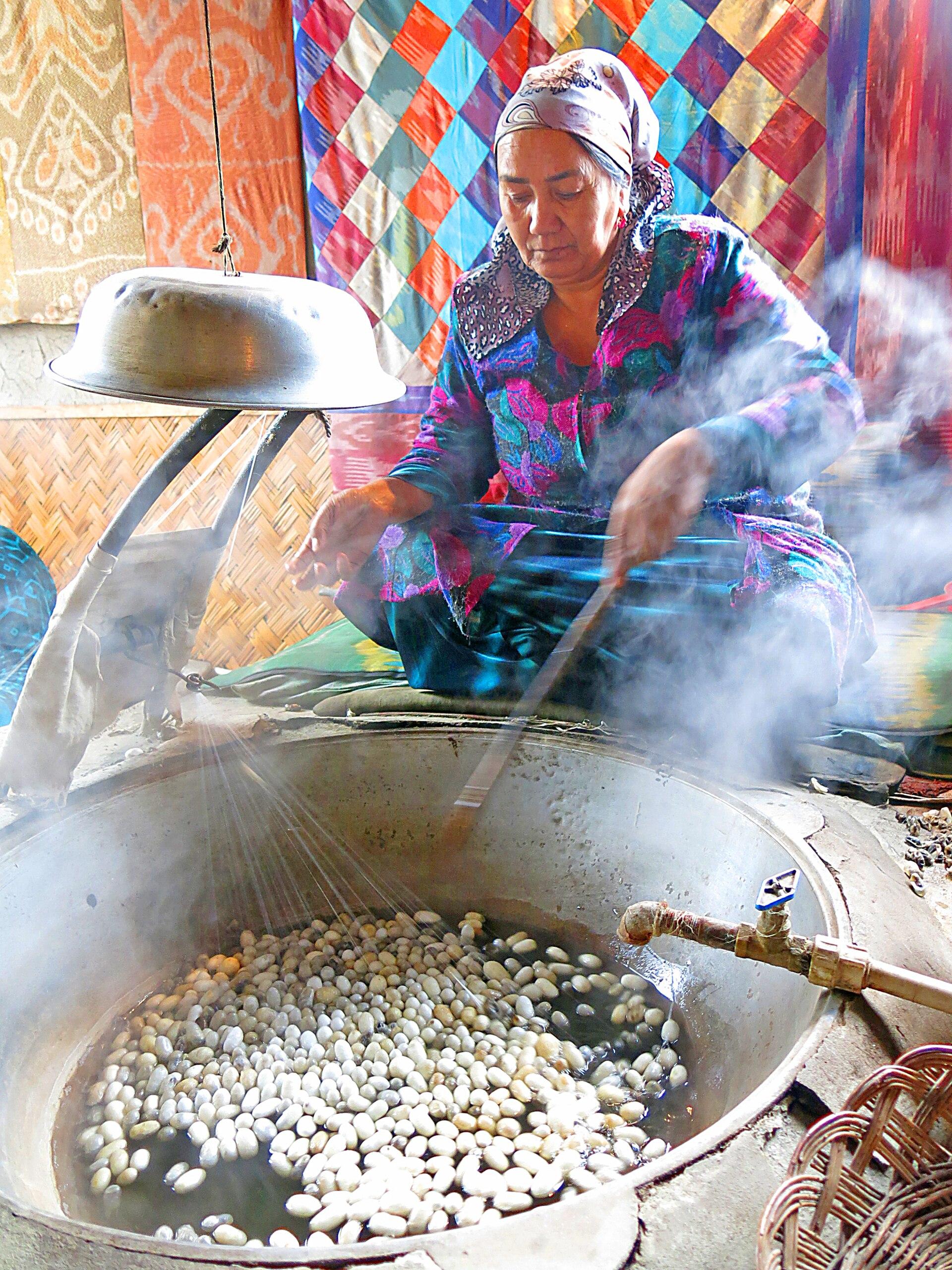 Yodgorlik silk workshop, Margilan
“Silkworms only eat for a few weeks a year. The trees, the rooms and the people need looking after for the other three hundred and thirty.”
How it started
Silk has been part of life in the Fergana Valley for a very long time. Margilan's workshops still weave adras and atlas by hand, and many grandparents can tell you how the house used to smell of mulberry leaves every spring.
But talk to the people who grow cocoons today and you hear the same things. Tools are old. Rooms are too cold or too damp. A bad week can ruin a season, and the price at the end often doesn't cover the effort.
We started Silk365 to try a different approach: plant our own mulberry, build a proper rearing house, keep careful notes and share them. If it works for us, it can work for our neighbours.
What we're trying to do
Grow good cocoons in a way that's kind to the silkworms, the land and the people doing the work, and make sure that work pays.
Where we hope it leads
Villages where mulberry is planted again, families earn real money from spring rearing, and the craft gets passed on because it's worth doing.
A few things we won't compromise on
Care over speed
Silkworms don't like shortcuts. Neither do we.
Fair pay
Rearing season is hard work and should be paid like it.
Respect for the land
No pesticides on the orchard. Mulberry holds the soil together.
Open books
We'll report on progress and on how support money is spent.
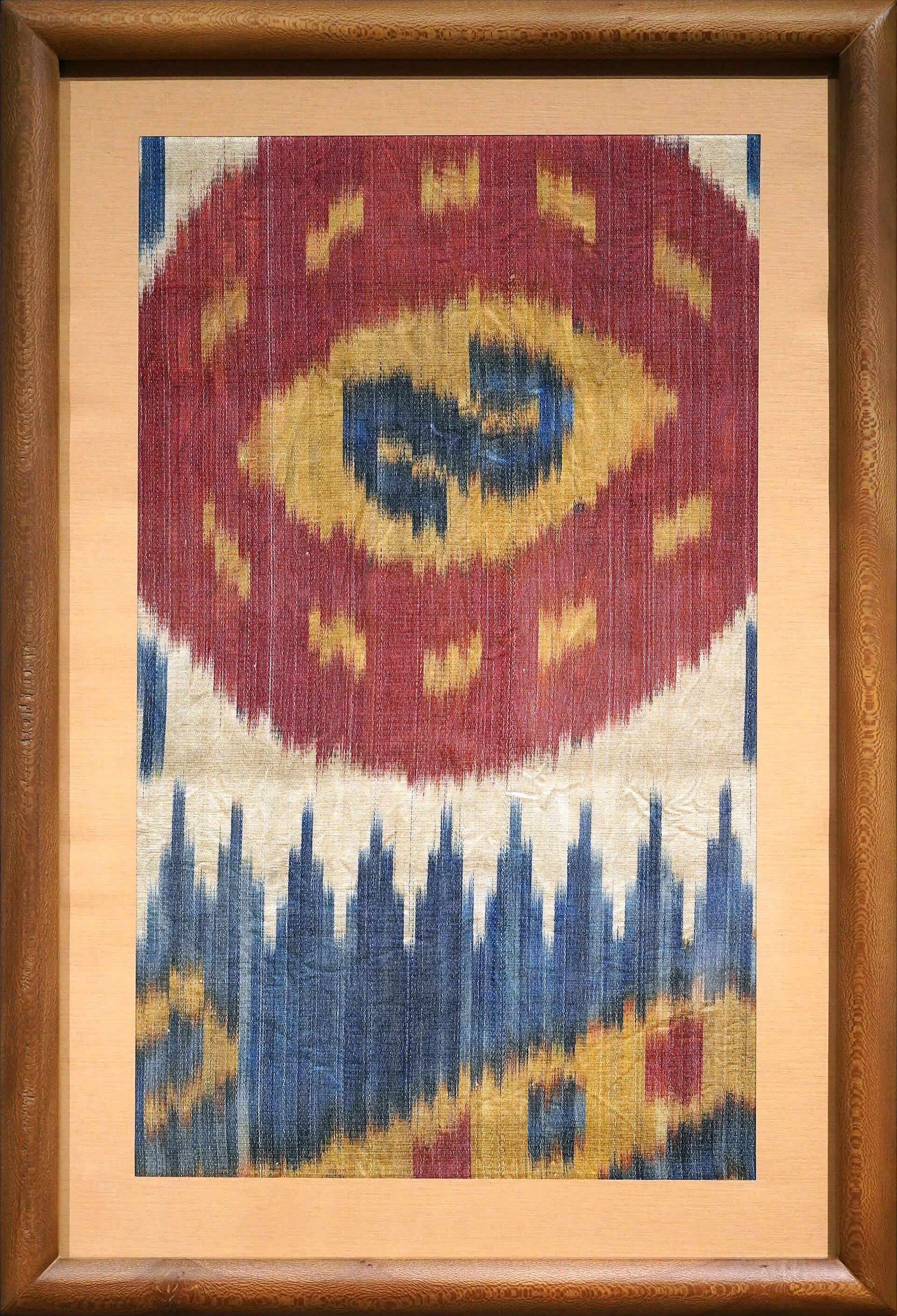 Adras, hand-woven in the Fergana Valley
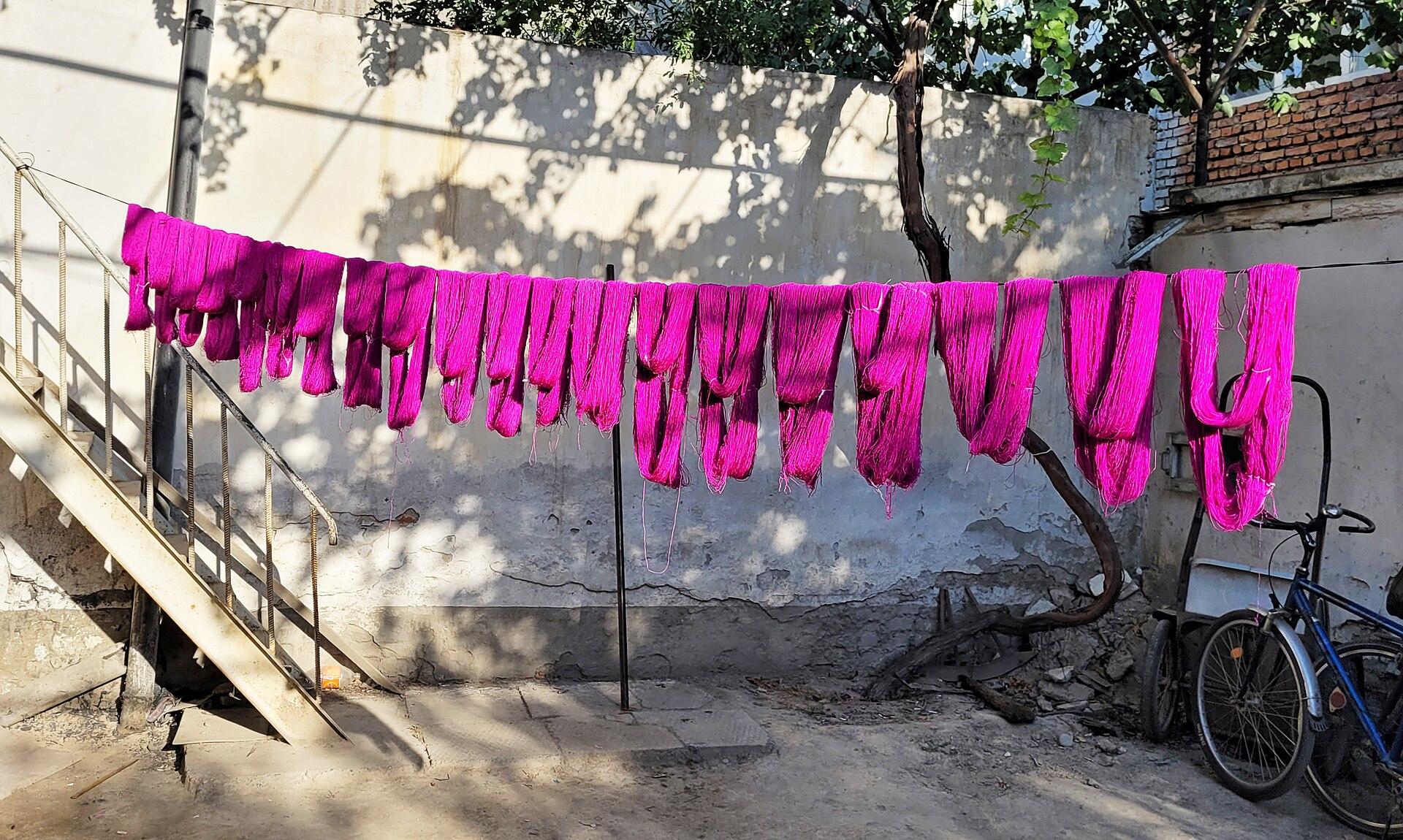
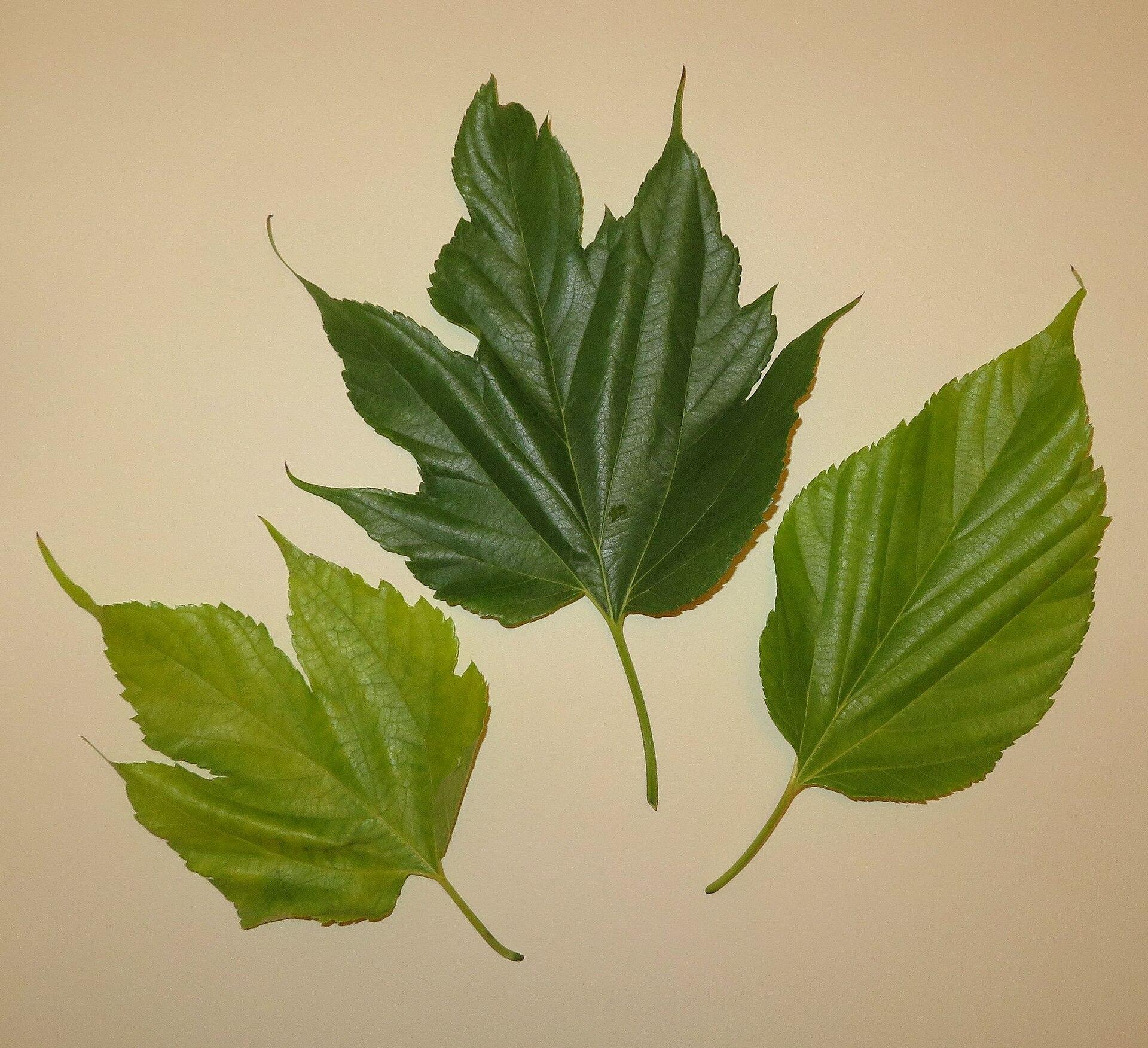
The Fergana Valley
Long, warm springs, fertile soil and mulberry trees along almost every field road. The valley has grown silk for centuries, and the knowledge is still here. Our farm will be in this region.
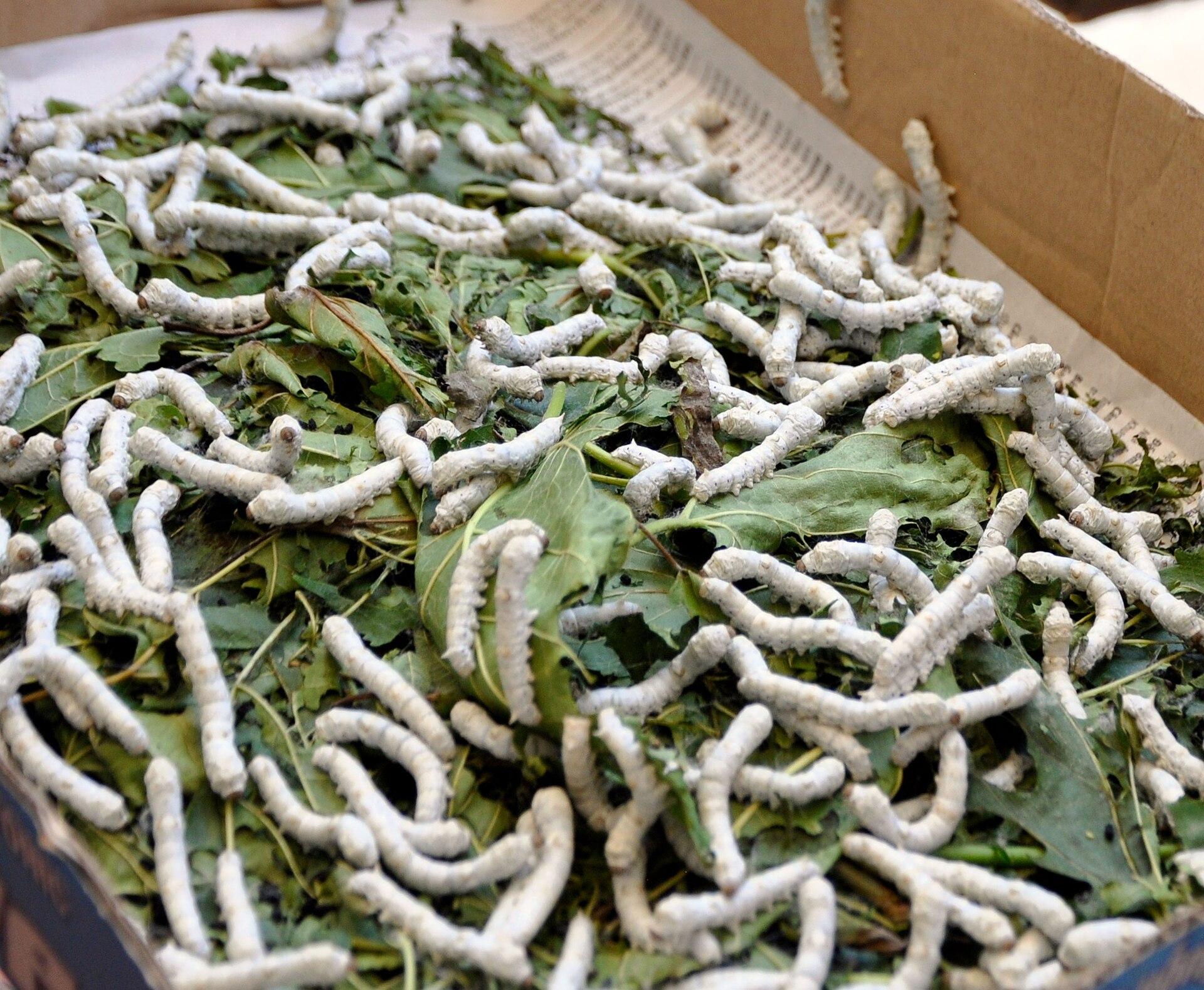
Help us plant the first rows
Every contribution goes into trees, equipment and the rearing house.
How to support